
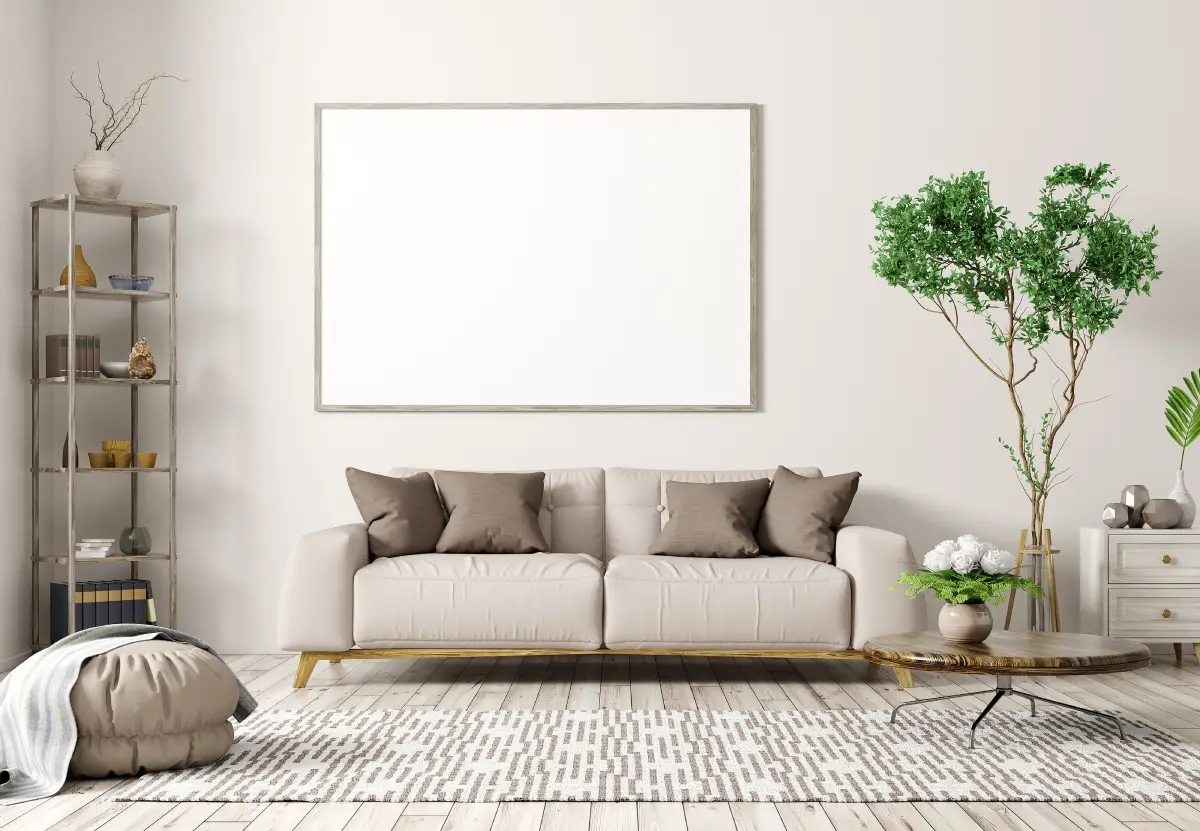
In Dallas-Fort Worth, small upgrades like thoughtful color choices help, and using renter-friendly decorating ideas can enhance visual appeal, but the floor plan shapes how a rental feels every single day. Tenants quickly sense whether a home supports their routines, respects privacy, and makes daily movement easy, and those impressions influence satisfaction long after move-in.
At PMI DFW Properties, we manage strictly residential rentals across the metroplex, and we consistently see how well-planned layouts attract stronger applicants, lease faster, and encourage longer tenancies. Creating the best rental floor plans in Dallas-Fort Worth, TX means designing spaces that feel intuitive, flexible, and comfortable while remaining practical to maintain.
Key Takeaways
- Well-designed layouts improve leasing speed and tenant retention in Dallas-Fort Worth.
- Clear flow and defined zones make homes feel calmer and more functional.
- Strategic bedroom placement supports privacy for families and shared households.
- Flexible spaces appeal to evolving lifestyles and remote work needs.
- Practical kitchens, laundry areas, and storage reduce daily friction for tenants.
Start With Flow That Supports Everyday Movement
A successful floor plan doesn’t rely on size alone. It relies on how easily residents move through the home. Entry points, living areas, kitchens, and bedrooms should connect in a way that feels natural rather than forced.
Dallas-Fort Worth renters often tour several properties in a short time. When a layout feels awkward, prospects may not articulate why, but they remember the discomfort. Evaluating common daily paths helps identify issues early. Entry to kitchen, kitchen to living space, bedrooms to bathrooms, and garage to pantry are routes that affect daily comfort.
Create Functional Entry Zones
Even a modest entry area can prevent clutter from spreading. A spot for shoes, bags, and deliveries keeps living areas cleaner and more welcoming. Thoughtful furniture placement often solves this without structural changes.
Protect Privacy Through Layout
If reaching a bathroom requires passing bedroom doors or cutting through private spaces, the home can feel intrusive. Redirecting traffic flow through subtle layout adjustments helps maintain personal space.
Open Living Spaces With Purpose
Open-concept layouts remain popular in Dallas-Fort Worth because they bring in light and support social interaction. They work especially well for households that value shared experiences around cooking, dining, and relaxing.
This preference aligns with national data showing 54% of new homes include open kitchen and dining layouts. For rentals, open spaces can feel inviting when they remain organized and intentional.
Define Zones Without Walls
Open layouts benefit from subtle boundaries. Area rugs, lighting changes, and kitchen islands help distinguish living, dining, and cooking areas without sacrificing openness.
Encourage Indoor-Outdoor Use
Patios, small yards, and balconies feel like extensions of living space when access is direct. In Dallas-Fort Worth, where outdoor use is common for much of the year, this connection adds meaningful value.
Bedroom Placement That Encourages Rest
Bedroom location plays a major role in tenant satisfaction. Noise, light, and foot traffic can quickly disrupt comfort if bedrooms sit too close to active areas.
Layouts that perform well often include split-bedroom designs, buffered walls using closets or bathrooms, and guest-accessible bathrooms that don’t require passing sleeping areas. When evaluating changes, owners benefit from reviewing improvements alongside rental ROI insights to ensure updates support long-term performance.
Primary Suites That Support Longevity
Adequate closet space, a private bathroom, and separation from common areas help tenants view the home as a long-term option rather than a temporary stop.
Flexible Rooms for Changing Lifestyles
Rigid layouts limit appeal. Flexible spaces expand it. Many Dallas-Fort Worth renters want rooms that adapt over time, serving as offices, guest rooms, or creative spaces.
This demand reflects broader workforce trends, with 36.07 million remote part-time workers nationwide. Even renters who aren’t fully remote often value a quiet, adaptable area.
What Makes Flex Spaces Work
Effective flex spaces have natural light, clear boundaries, and enough wall space for desks or storage. Neutral designs allow renters to imagine multiple uses.
Kitchens Designed for Daily Use
Tenants live in the workflow of a kitchen. Clear movement between sink, stove, and refrigerator makes daily tasks easier. Adequate counter space and practical storage help reduce clutter and frustration.
Maintaining kitchen functionality over time requires consistent care. Aligning layout strengths with DFW maintenance tips helps protect both usability and long-term value.
Storage That Keeps Counters Clear
Pantries, drawer organizers, and adjustable shelving make even smaller kitchens feel manageable. These details support daily comfort more than decorative finishes.
Laundry Placement That Fits Real Routines
In-unit laundry is a strong leasing factor, but placement matters. Laundry areas should be easy to access without interrupting traffic flow.
Laundry closets near bedrooms or tucked off kitchens can work well when doors, lighting, and ventilation are thoughtfully planned.
Family- and Pet-Friendly Layout Choices
Families often look for open sightlines and safe movement, while pet owners prioritize durability and easy outdoor access. Layouts that support both groups widen demand.
Pairing design choices with clear policies informed by pet-friendly rental strategies helps balance appeal and property protection.
Storage and Accessibility That Improve Comfort
Storage plays a quiet but powerful role in satisfaction. Closets, linen storage, pantries, and garages help renters manage daily life without feeling crowded.
Accessibility also matters. Single-story homes often appeal broadly, while two-story homes perform well when bathrooms and bedrooms are logically placed.
Simple visual enhancements can complement strong layouts. Using area rugs to define zones and soften acoustics can elevate showings, and ideas from transforming spaces with rugs pair well with open designs.
FAQs about Creating the Best Rental Floor Plans in Dallas-Fort Worth, TX
What layout features help Dallas-Fort Worth rentals lease faster?
Homes lease faster when flow feels intuitive, living areas are open yet defined, bedrooms feel private, and storage is easy to access throughout the home.
How does bedroom placement affect tenant retention?
Bedrooms buffered from noisy spaces support better sleep and privacy, which increases comfort and often leads to longer lease renewals.
Are open layouts always better for rentals?
Open layouts perform best when zones are clearly defined. Without structure, tenants may struggle with furniture placement and noise control.
How can rentals support remote work without remodeling?
Flexible rooms, strong lighting, and quiet corners can support remote work without structural changes, making rentals more adaptable.
What is a cost-effective way to improve layout usability?
Improving lighting, adjusting furniture placement, and adding storage solutions can enhance flow and function without major renovations.
Turn Smart Layouts Into Lasting Value
The best rental floor plans in Dallas-Fort Worth feel easy to live in. They guide movement naturally, protect privacy, and adapt to changing routines. When kitchens, laundry areas, storage, and outdoor access work together, tenants feel more comfortable and stay longer.
At PMI DFW Properties, we help owners maintain those advantages through consistent oversight and care. Protect your rental with reliable maintenance support through our maintenance services and keep your property performing at its best.
