The difference between a smart renovation and an expensive mistake often becomes clear after a few tenant turnovers. An upgrade that looks impressive during marketing photos may not perform well after years of daily use. Scratches, stains, moisture exposure, and maintenance demands can quickly turn a premium feature into a recurring expense.
For Dallas-Fort Worth rental owners, durability often matters more than luxury. Tenant expectations continue to evolve, but most renters still value clean, functional, and well-maintained homes over flashy finishes. As highlighted in this discussion of smart home rental trends, practical investments often deliver stronger long-term value than purely cosmetic upgrades.
Key Takeaways
- Durable materials typically outperform luxury finishes in rental properties.
- Frequent tenant turnover accelerates wear on high-maintenance upgrades.
- Neutral, timeless designs remain attractive longer than trendy features.
- Standardized materials simplify repairs and reduce replacement costs.
- Practical renovations often support stronger long-term rental performance.
Why Some Renovations Lose Their Value Faster Than Expected
A renovation should improve either tenant appeal, property functionality, or long-term profitability. Some expensive upgrades achieve those goals initially but become difficult to maintain over time.
Dallas-Fort Worth continues to experience steady rental demand. According to the U.S. Census Bureau, the national rental vacancy rate stood at 7.1% in Q3 2025. In a competitive market, property owners often gain more by investing in durability than by pursuing luxury features that require constant upkeep.
The key is evaluating how materials and finishes will perform after several years of occupancy rather than how they appear during the first showing.
Hardwood Floors Can Become a Costly Commitment
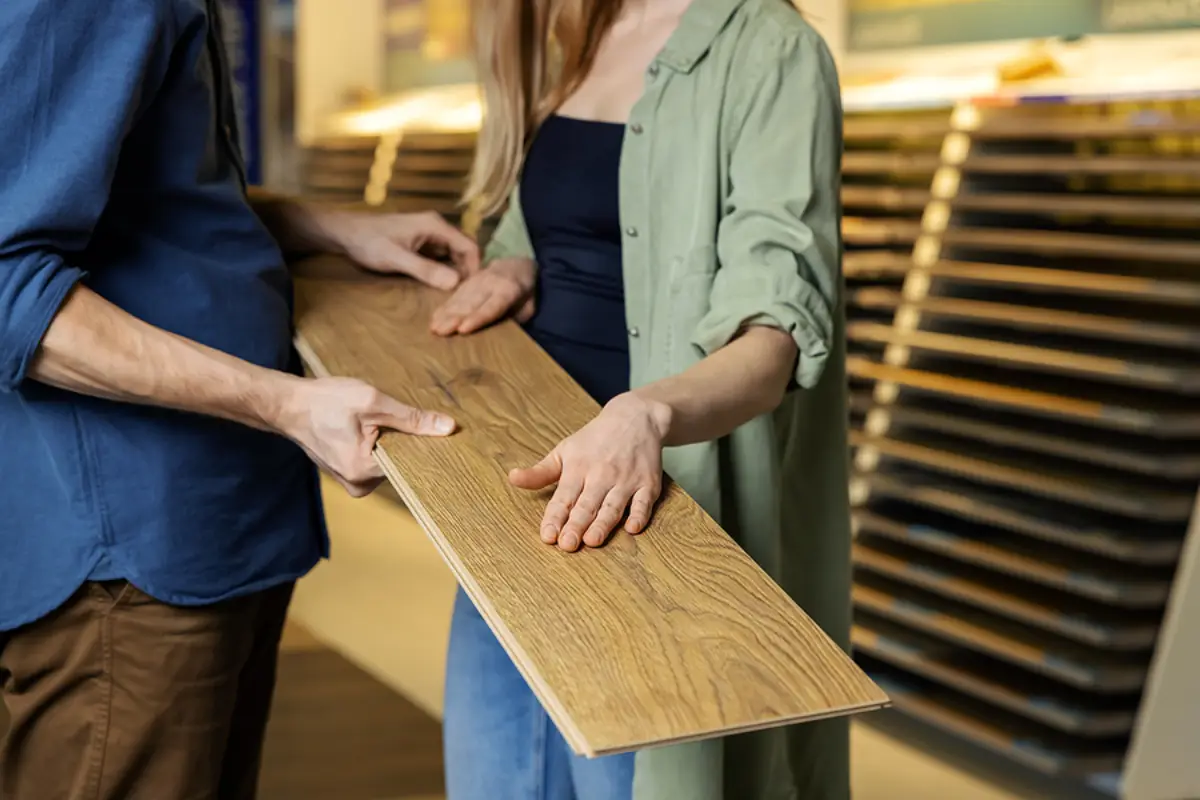
Hardwood flooring remains one of the most popular upgrades among property owners. It creates a polished appearance and often photographs well. However, rental properties place unique demands on flooring.
Furniture movement, pet activity, children's toys, and regular foot traffic can gradually wear down even premium hardwood surfaces. Small scratches accumulate over time, and refinishing projects can become expensive.
Why Luxury Vinyl Plank Often Makes More Sense
Many investors now choose luxury vinyl plank because it combines durability with visual appeal.
Benefits include:
- Greater scratch resistance
- Better moisture protection
- Easier turnover cleaning
- Lower replacement costs
Before making flooring decisions, many owners use a property return calculator to compare potential costs and long-term financial performance.
Premium Carpet Often Requires Frequent Replacement
Carpet can create a comfortable atmosphere, especially in bedrooms. Yet rental properties frequently expose its weaknesses.
Even high-end carpet can absorb odors, develop stains, and show traffic patterns after repeated occupancy. While professional cleaning helps, it rarely restores carpeting to its original condition indefinitely.
Areas That Wear Out First
High-traffic spaces often deteriorate more quickly than expected:
- Entryways
- Hallways
- Living rooms
- Staircases
These areas experience constant use, making replacement cycles shorter than many owners anticipate.
When evaluating future improvements, a rental income assessment can help determine whether a renovation supports long-term profitability.
Custom Cabinet Finishes Can Create Future Challenges
Custom cabinetry and specialty finishes may look exceptional when newly installed. The problem often emerges several years later.
Daily use gradually affects cabinet edges, drawer fronts, and hardware. Small chips, scratches, and discoloration become increasingly noticeable.
Matching Repairs Can Be Difficult
Many owners underestimate the challenge of sourcing replacement materials. Paint colors, stains, and finish products are regularly discontinued.
A simple touch-up can quickly become a larger project if matching materials are unavailable. Because of this, investors often prefer timeless cabinet styles that remain attractive for many years.
Many of the same principles apply to efficient rental floor plans, where flexibility tends to outperform highly customized designs.
Decorative Fixtures May Increase Maintenance Costs
Designer light fixtures, custom hardware, and specialty finishes can help create a memorable impression. Yet these features often generate additional maintenance responsibilities.
Lighting receives daily use, which naturally increases wear and replacement needs. According to the U.S. Energy Information Administration, lighting accounts for approximately 3.4% of electricity use in American homes.
Common Problems With Specialty Fixtures
Hard-to-Find Components
Many decorative products rely on proprietary parts that are difficult to source when repairs become necessary.
Longer Repair Appointments
Complex designs frequently require additional labor during installation and replacement.
Inventory Complications
Owners with multiple properties often benefit from using consistent fixtures because replacement inventory becomes easier to manage.
For most rental portfolios, simplicity frequently reduces long-term operating costs.
Trendy Kitchens Can Become Outdated Quickly
Design trends rarely stay popular forever. Features that appear modern today may feel dated within only a few years.
Bold cabinet colors, highly stylized backsplashes, and unique hardware choices can reduce flexibility during future updates.
Timeless Designs Usually Last Longer
Successful rental kitchens often focus on broad appeal rather than current trends.
Neutral Finishes
Simple colors appeal to a wider tenant audience and remain relevant longer.
Practical Layouts
Efficient workspaces improve functionality without requiring expensive customization.
Durable Materials
Reliable surfaces often provide stronger returns than luxury materials that demand constant attention.
Property owners frequently review available owner support resources while evaluating renovation priorities and long-term investment goals.
Built-In Features Can Limit Tenant Appeal
Built-in desks, custom shelving systems, and permanent storage solutions may seem attractive at first. However, they can reduce flexibility for future tenants.
Every renter uses space differently. Fixed structures can interfere with furniture placement and lifestyle preferences.
Flexibility Supports Broader Demand
Rental homes generally perform best when they accommodate a variety of living arrangements.
Potential drawbacks of built-in features include:
- Limited room configurations
- More complicated repairs
- Reduced adaptability
- Narrower tenant appeal
Flexible spaces allow renters to personalize their homes without being restricted by permanent design choices.
Luxury Bathrooms Often Require More Upkeep
Bathrooms endure constant use, making durability especially important. While premium features can look attractive, they often create ongoing maintenance demands.
Frameless glass shower enclosures, specialty tile installations, and designer fixtures require regular cleaning and upkeep to maintain their appearance.
Materials That Deliver Better Long-Term Results
Many successful rental owners focus on products that balance appearance with durability.
Moisture-Resistant Surfaces
Bathrooms naturally experience high humidity. Durable materials often withstand moisture exposure more effectively.
Standard Plumbing Fixtures
Widely available replacement parts simplify future repairs.
Easy-to-Clean Finishes
Reducing cleaning time can help shorten turnover periods between tenants.
Many investors pair renovation planning with proactive maintenance service solutions to reduce unexpected repair costs throughout the year.
Smart Investments That Continue Delivering Value
Not every upgrade loses value over time. Some improvements consistently support stronger rental performance.
Technology upgrades, efficient fixtures, durable flooring, and practical layouts often remain beneficial long after installation.
A separate discussion on creative storage ideas demonstrates how functional improvements can enhance tenant satisfaction without increasing maintenance demands.
Likewise, thoughtful touches inspired by renter-friendly decorating concepts can help owners prioritize usability and comfort over short-lived design trends.
FAQs about Rental Renovation Decisions in Dallas-Fort Worth, TX
How can I determine whether a renovation is worth the investment for a rental property?
Compare the projected rental increase against expected maintenance, repair, and replacement costs. Improvements that remain durable through multiple tenant cycles often generate stronger long-term value than purely cosmetic upgrades.
Why do expensive finishes wear out faster in rental properties?
Rental homes experience more frequent turnover, furniture movement, and daily use from different occupants. These conditions often accelerate wear compared to owner-occupied properties.
Should rental properties prioritize appearance or durability?
Both matter, but durability usually has a greater impact on long-term profitability. Attractive materials that withstand years of occupancy often outperform luxury finishes requiring frequent maintenance.
Do trendy renovations increase rental income significantly?
Some trends may attract attention initially, but neutral designs generally appeal to a broader tenant audience and remain relevant much longer, reducing future renovation expenses.
What areas of a rental property deserve the most renovation attention?
Flooring, kitchens, bathrooms, and storage solutions often influence tenant satisfaction the most. Focusing on durable improvements in these areas can support stronger overall property performance.
Durable Choices Today, Fewer Headaches Tomorrow
Every renovation decision influences future operating costs. While luxury finishes may generate immediate visual appeal, long-term rental success often comes from selecting materials and features that can handle years of everyday use without constant repairs or replacement.
For Dallas-Fort Worth property owners, the goal is to create a home that remains attractive, functional, and cost-effective through multiple tenant cycles. Thoughtful upgrades can help reduce turnover preparation, streamline maintenance, and protect overall investment performance.
At PMI DFW Properties, we work with owners to identify practical improvement strategies that support lasting results. Unlock your maintenance advantage with PMI DFW Properties and take a more strategic approach to long-term property care.
